Cellular Mechanisms of Longevity and Protection

Cellular Mechanisms of Longevity and Protection

Your pursuit of the top decile makes perfect clinical sense when viewing CoQ10 through the lens of mitochondrial bioenergetics rather than simple deficiency prevention. Elevating your serum levels aims to optimize two distinct, crucial cellular mechanisms:

  • Mitochondrial ATP Production: Your 10 mg of rosuvastatin blocks HMG-CoA reductase, which inadvertently starves the electron transport chain of CoQ10. By forcing your serum levels higher, you support Complexes I, II, and III, ensuring optimal ATP (cellular energy) production.
  • Endothelial and Lipid Protection: High-decile circulating ubiquinol acts as a potent, fat-soluble antioxidant. It actively protects low-density lipoproteins (LDLs) from oxidizing. Since oxidized LDL is a primary driver of arterial plaque formation, this provides robust, proactive cardiovascular protection.


Quantitative Comparison of CoQ10 Optimization Strategies

To efficiently push into the top decile without experiencing GI distress from heavy fat ingestion, consider how different formulation and dosing combinations stack up:

Strategy Est. Bioavailability Multiplier Required Dietary Fat Mechanism of Action
Standard Powder + 1 tbsp Peanut Butter 1.0x (Baseline) High (10โ€“15g) Relies entirely on digestive bile to emulsify large crystalline structures.
Standard Powder + 2 tbsp Peanut Butter 1.5x to 2.0x High (16g+) Higher fat volume triggers full biliary release, increasing micelle creation.
Split Dosing (100mg AM / 100mg PM) 2.0x to 2.5x Medium (10g per dose) Prevents intestinal transporter saturation, doubling the absorption windows.
Enhanced Solubilized Ubiquinol (e.g., VESIsorb/SNEDDS) 4.0x to 6.0x Minimal (<3g) Pre-emulsified into microscopic droplets; bypasses the need for heavy dietary fat.

Your Action Plan for Cellular Optimization

  1. Shift the Dosing Architecture: If you stick with your current supplement, split your 200 mg total into 100 mg twice daily. Taking 200 mg at once saturates your gut’s absorption capacity, wasting a portion of the dose.
  2. Hit the 16-Gram Fat Threshold: If using your peanut butter method, increase the serving to 2 tablespoons or add a handful of walnuts.
  3. Upgrade the Delivery Technology: For true top-decile targeting on a vegan diet, the most efficient route is switching from standard powder capsules to a solubilized ubiquinol liquid or lipid-softgel that uses nano-emulsion tech. These formulations mimic a high-fat meal chemically, allowing maximum cellular uptake even on an empty stomach.

A plant-based diet inherently provides about 23% lower baseline CoQ10 levels than an omnivorous diet

A plant-based diet inherently provides about 23% lower baseline CoQ10 levels than an omnivorous diet because the richest dietary sources are organ meats and fatty fish. When you layer a statin like 10 mg of rosuvastatin on top of that, your body’s internal synthesis pathway is partially blocked.ย 
It is completely logical that your unsupplemented levels sit in the bottom quartile, and it is a known clinical reality that some individuals require higher doses or specific absorption strategies to move the needle.

Why Your Levels Are Stalling at the Midpoint

  1. Absorption Barriers: CoQ10 is highly hydrophobic (fat-soluble). If it is taken with water, an empty stomach, or a low-fat meal, your body will only absorb a tiny fraction of the dose.ย 
  2. First-Pass Clearance: The liver tightly regulates circulating CoQ10, and it takes time and high consistent dosing to saturate tissues and raise blood plasma to high-decile levels.
  3. Statin Suppression: Rosuvastatin continuously works against your baseline synthesis, meaning a portion of your supplement is simply replacing what your liver failed to make that day.

Clinically Validated Strategies to Reach the Top Decile

If your explicit goal is to optimize your serum levels into the higher tiers of the normal range, a few tactical shifts can significantly improve your results:
  • Always Pair with a Substantial Vegan Fat: Do not take ubiquinol with a morning juice or coffee. Take it alongside your highest-fat meal of the day. Pair it directly with an avocado, a handful of walnuts or pistachios, or a meal cooked with unrefined olive oil or soybean oil. Fat triggers the release of pancreatic enzymes and bile, which are required to package the ubiquinol into transportable micelles in your gut.

  • Split Your Dosing: The human gut can only absorb a limited amount of CoQ10 at one single time. Instead of taking 200 mg at once, take 100 mg in the morning and 100 mg at night, each with a fat-containing meal.
  • Consider a Supervised Dose Increase: For statin users looking for robust tissue saturation, clinical literature notes that doses can be safely increased to 300 mg to 400 mg daily. Given your vegan baseline and statin use, 200 mg may simply be your “break-even” dose.ย 
  • Switch to Liquid or Enhanced-Absorption Formulations: Standard ubiquinol powder inside a vegan capsule can sometimes aggregate in the gut. Look for liquid ubiquinol drops or softgels that use patented self-nanoemulsifying delivery systems (SNEDDS), which bypass some of the digestive absorption hurdles.
[Plot of a standard normal distribution curve representing Serum CoQ10 Levels. Shade the ‘Bottom Quartile (<25th percentile)’ in a distinct color to show the unsupplemented baseline. Shade the ‘Midpoint (50th percentile)’ in a second color to show the current 200mg status. Mark the ‘Target Top Decile (>90th percentile)’ with a vertical line to visually represent the user’s optimization goal.]

Is CoQ10 required for the Krebs cycle?

No, CoQ10 (coenzyme Q10) is not a direct participant in the Krebs cycle (also known as the TCA cycle or citric acid cycle). However, it is essential for the electron transport chain (ETC), which is the process that immediately follows and depends on the Krebs cycle.

โš™๏ธ How CoQ10 Functions in Energy Production

The Krebs cycle and the electron transport chain are separate but tightly linked stages of cellular respiration. Here’s where CoQ10 fits in:

  • The Krebs Cycle Produces Electron Carriers: The Krebs cycle takes place in the mitochondrial matrix. Its primary role in energy production is to generate high-energy electron carriers, specifically NADH and FADHโ‚‚.

  • CoQ10 Works in the Electron Transport Chain: These carriers (NADH and FADHโ‚‚) then deliver their electrons to the electron transport chain (ETC) located in the inner mitochondrial membrane. CoQ10 (specifically in its reduced form, ubiquinol) acts as a crucial mobile electron carrier within this chain. It accepts electrons from Complexes I and II and transfers them to Complex III.

๐Ÿ”— The Critical Link: Why CoQ10 Is Still Essential

While CoQ10 doesn’t participate in the Krebs cycle’s chemical reactions, it is absolutely required for the cycle to continue functioning. The process works like this:

For the Krebs cycle to keep running, it must regenerate its supply of NADโบ and FAD (the oxidized forms of the electron carriers). This regeneration happens when NADH and FADHโ‚‚ donate their electrons to the electron transport chain.

If CoQ10 is deficient, the ETC stalls. Electrons cannot be passed along efficiently, which means NADH and FADHโ‚‚ cannot be oxidized back to NADโบ and FAD. Without these electron acceptors, the Krebs cycle itself would grind to a halt.

๐Ÿ’ก In Summary

CoQ10 is not a Krebs cycle enzyme or cofactor, but it is essential for the mitochondrial electron transport chain, which is the process that makes the continuous operation of the Krebs cycle possible by regenerating the NADโบ and FAD it requires.

๐Œ๐ˆ๐“๐Ž๐‚๐‡๐Ž๐๐ƒ๐‘๐ˆ๐€๐‹ ๐ƒ๐˜๐’๐…๐”๐๐‚๐“๐ˆ๐Ž๐ ๐ˆ๐’ ๐๐€๐’๐ˆ๐‚ ๐‘๐„๐’๐„๐€๐‘๐‚๐‡. ๐–๐ก๐š๐ญ ๐œ๐จ๐ฆ๐ฉ๐š๐ง๐ฒ ๐ฌ๐ฉ๐จ๐ง๐ฌ๐จ๐ซ๐ž๐ ๐›๐š๐ฌ๐ข๐œ ๐ซ๐ž๐ฌ๐ž๐š๐ซ๐œ๐ก?

๐–๐š๐ข๐ญ ๐š ๐ฆ๐ข๐ง๐ฎ๐ญ๐ž. ๐Œ๐ข๐ญ๐จ๐œ๐ก๐จ๐ง๐๐ซ๐ข๐š๐ฅ ๐๐ฒ๐ฌ๐Ÿ๐ฎ๐ง๐œ๐ญ๐ข๐จ๐ง ๐ข๐ฌ ๐š ๐œ๐จ๐ซ๐ž ๐ก๐š๐ฅ๐ฅ๐ฆ๐š๐ซ๐ค ๐จ๐Ÿ ๐š๐ ๐ข๐ง๐  ๐œ๐ก๐š๐ซ๐š๐œ๐ญ๐ž๐ซ๐ข๐ณ๐ž๐ ๐›๐ฒ ๐š ๐ฉ๐ซ๐จ๐ ๐ซ๐ž๐ฌ๐ฌ๐ข๐ฏ๐ž ๐๐ž๐œ๐ฅ๐ข๐ง๐ž ๐ข๐ง ๐ฆ๐ข๐ญ๐จ๐œ๐ก๐จ๐ง๐๐ซ๐ข๐š๐ฅ ๐ช๐ฎ๐š๐ฅ๐ข๐ญ๐ฒ, ๐ž๐Ÿ๐Ÿ๐ข๐œ๐ข๐ž๐ง๐œ๐ฒ, ๐š๐ง๐ ๐ž๐ง๐ž๐ซ๐ ๐ฒ ๐ฉ๐ซ๐จ๐๐ฎ๐œ๐ญ๐ข๐จ๐ง ๐จ๐ฏ๐ž๐ซ ๐ญ๐ข๐ฆ๐ž.
๐Š๐ž๐ฒ ๐Œ๐ž๐œ๐ก๐š๐ง๐ข๐ฌ๐ฆ๐ฌ
โ€ข ๐Ž๐ฑ๐ข๐๐š๐ญ๐ข๐ฏ๐ž ๐ƒ๐š๐ฆ๐š๐ ๐ž: ๐€๐œ๐œ๐ฎ๐ฆ๐ฎ๐ฅ๐š๐ญ๐ข๐ง๐  ๐ซ๐ž๐š๐œ๐ญ๐ข๐ฏ๐ž ๐จ๐ฑ๐ฒ๐ ๐ž๐ง ๐ฌ๐ฉ๐ž๐œ๐ข๐ž๐ฌ (๐‘๐Ž๐’) ๐๐š๐ฆ๐š๐ ๐ž ๐ฆ๐ข๐ญ๐จ๐œ๐ก๐จ๐ง๐๐ซ๐ข๐š๐ฅ ๐ƒ๐๐€ (๐ฆ๐ญ๐ƒ๐๐€), ๐ฉ๐ซ๐จ๐ญ๐ž๐ข๐ง๐ฌ, ๐š๐ง๐ ๐ฅ๐ข๐ฉ๐ข๐๐ฌ, ๐ข๐ฆ๐ฉ๐š๐ข๐ซ๐ข๐ง๐  ๐ญ๐ก๐ž ๐ž๐ฅ๐ž๐œ๐ญ๐ซ๐จ๐ง ๐ญ๐ซ๐š๐ง๐ฌ๐ฉ๐จ๐ซ๐ญ ๐œ๐ก๐š๐ข๐ง.
โ€ข ๐ˆ๐ฆ๐›๐š๐ฅ๐š๐ง๐œ๐ž๐ ๐ƒ๐ฒ๐ง๐š๐ฆ๐ข๐œ๐ฌ: ๐ƒ๐ข๐ฌ๐ซ๐ฎ๐ฉ๐ญ๐ข๐จ๐ง๐ฌ ๐ข๐ง ๐ฆ๐ข๐ญ๐จ๐œ๐ก๐จ๐ง๐๐ซ๐ข๐š๐ฅ ๐Ÿ๐ข๐ฌ๐ฌ๐ข๐จ๐ง (๐ฌ๐ฉ๐ฅ๐ข๐ญ๐ญ๐ข๐ง๐ ) ๐š๐ง๐ ๐Ÿ๐ฎ๐ฌ๐ข๐จ๐ง (๐ฃ๐จ๐ข๐ง๐ข๐ง๐ ) ๐ฅ๐ž๐š๐ ๐ญ๐จ ๐Ÿ๐ซ๐š๐ ๐ฆ๐ž๐ง๐ญ๐ž๐ ๐š๐ง๐ ๐ข๐ง๐ž๐Ÿ๐Ÿ๐ข๐œ๐ข๐ž๐ง๐ญ ๐ง๐ž๐ญ๐ฐ๐จ๐ซ๐ค๐ฌ.
โ€ข ๐ƒ๐ž๐Ÿ๐ข๐œ๐ข๐ž๐ง๐ญ ๐Œ๐ข๐ญ๐จ๐ฉ๐ก๐š๐ ๐ฒ: ๐€ ๐ซ๐ž๐๐ฎ๐œ๐ญ๐ข๐จ๐ง ๐ข๐ง ๐ฆ๐ข๐ญ๐จ๐ฉ๐ก๐š๐ ๐ฒโ€”๐ญ๐ก๐ž ๐ฌ๐ฉ๐ž๐œ๐ข๐š๐ฅ๐ข๐ณ๐ž๐ ๐œ๐ž๐ฅ๐ฅ๐ฎ๐ฅ๐š๐ซ ๐œ๐ฅ๐ž๐š๐ง๐ฎ๐ฉ ๐ฉ๐ซ๐จ๐œ๐ž๐ฌ๐ฌ ๐ญ๐ก๐š๐ญ ๐œ๐ฅ๐ž๐š๐ซ๐ฌ ๐จ๐ฎ๐ญ ๐๐š๐ฆ๐š๐ ๐ž๐ ๐ฆ๐ข๐ญ๐จ๐œ๐ก๐จ๐ง๐๐ซ๐ข๐šโ€”๐œ๐š๐ฎ๐ฌ๐ž๐ฌ ๐ญ๐จ๐ฑ๐ข๐œ, ๐๐ฒ๐ฌ๐Ÿ๐ฎ๐ง๐œ๐ญ๐ข๐จ๐ง๐š๐ฅ ๐จ๐ซ๐ ๐š๐ง๐ž๐ฅ๐ฅ๐ž๐ฌ ๐ญ๐จ ๐›๐ฎ๐ข๐ฅ๐ ๐ฎ๐ฉ ๐ข๐ง๐ฌ๐ข๐๐ž ๐œ๐ž๐ฅ๐ฅ๐ฌ.
๐‚๐จ๐ง๐ฌ๐ž๐ช๐ฎ๐ž๐ง๐œ๐ž๐ฌ ๐š๐ง๐ ๐‡๐ž๐š๐ฅ๐ญ๐ก ๐ˆ๐ฆ๐ฉ๐š๐œ๐ญ๐ฌ
โ€ข ๐„๐ง๐ž๐ซ๐ ๐ฒ ๐’๐ก๐จ๐ซ๐ญ๐š๐ ๐ž๐ฌ: ๐ƒ๐ž๐ญ๐ž๐ซ๐ข๐จ๐ซ๐š๐ญ๐ข๐ง๐  ๐จ๐ฑ๐ข๐๐š๐ญ๐ข๐ฏ๐ž ๐ฉ๐ก๐จ๐ฌ๐ฉ๐ก๐จ๐ซ๐ฒ๐ฅ๐š๐ญ๐ข๐จ๐ง ๐ซ๐ž๐ฌ๐ฎ๐ฅ๐ญ๐ฌ ๐ข๐ง ๐š ๐ฌ๐ญ๐ž๐ž๐ฉ ๐๐ซ๐จ๐ฉ ๐ข๐ง ๐š๐๐ž๐ง๐จ๐ฌ๐ข๐ง๐ž ๐ญ๐ซ๐ข๐ฉ๐ก๐จ๐ฌ๐ฉ๐ก๐š๐ญ๐ž (๐€๐“๐) ๐ฌ๐ฒ๐ง๐ญ๐ก๐ž๐ฌ๐ข๐ฌ, ๐๐ž๐ฉ๐ซ๐ข๐ฏ๐ข๐ง๐  ๐ก๐ข๐ ๐ก-๐ž๐ง๐ž๐ซ๐ ๐ฒ ๐ญ๐ข๐ฌ๐ฌ๐ฎ๐ž๐ฌ ๐จ๐Ÿ ๐Ÿ๐ฎ๐ž๐ฅ.
โ€ข ๐‚๐ž๐ฅ๐ฅ๐ฎ๐ฅ๐š๐ซ ๐’๐ž๐ง๐ž๐ฌ๐œ๐ž๐ง๐œ๐ž: ๐๐ž๐ซ๐ฌ๐ข๐ฌ๐ญ๐ž๐ง๐ญ ๐จ๐ฑ๐ข๐๐š๐ญ๐ข๐ฏ๐ž ๐ฌ๐ญ๐ซ๐ž๐ฌ๐ฌ ๐š๐ง๐ ๐๐š๐ฆ๐š๐ ๐ž๐ ๐จ๐ซ๐ ๐š๐ง๐ž๐ฅ๐ฅ๐ž๐ฌ ๐ญ๐ซ๐ข๐ ๐ ๐ž๐ซ ๐ฉ๐ž๐ซ๐ฆ๐š๐ง๐ž๐ง๐ญ ๐œ๐ž๐ฅ๐ฅ ๐œ๐ฒ๐œ๐ฅ๐ž ๐š๐ซ๐ซ๐ž๐ฌ๐ญ (๐ฌ๐ž๐ง๐ž๐ฌ๐œ๐ž๐ง๐œ๐ž) ๐š๐ง๐ ๐ญ๐ข๐ฌ๐ฌ๐ฎ๐ž ๐๐ž๐ ๐ž๐ง๐ž๐ซ๐š๐ญ๐ข๐จ๐ง.
โ€ข ๐’๐ฒ๐ฌ๐ญ๐ž๐ฆ๐ข๐œ ๐ƒ๐ข๐ฌ๐ž๐š๐ฌ๐ž: ๐“๐ก๐ข๐ฌ ๐Ÿ๐ฎ๐ง๐œ๐ญ๐ข๐จ๐ง๐š๐ฅ ๐๐ž๐œ๐ฅ๐ข๐ง๐ž ๐š๐œ๐ญ๐ฌ ๐š๐ฌ ๐š ๐ฆ๐š๐ฃ๐จ๐ซ ๐๐ซ๐ข๐ฏ๐ž๐ซ ๐Ÿ๐จ๐ซ ๐š๐ ๐ž-๐ซ๐ž๐ฅ๐š๐ญ๐ž๐ ๐œ๐จ๐ง๐๐ข๐ญ๐ข๐จ๐ง๐ฌ, ๐ข๐ง๐œ๐ฅ๐ฎ๐๐ข๐ง๐  ๐ง๐ž๐ฎ๐ซ๐จ๐๐ž๐ ๐ž๐ง๐ž๐ซ๐š๐ญ๐ข๐ฏ๐ž ๐๐ข๐ฌ๐จ๐ซ๐๐ž๐ซ๐ฌ (๐ฅ๐ข๐ค๐ž ๐€๐ฅ๐ณ๐ก๐ž๐ข๐ฆ๐ž๐ซ’๐ฌ ๐š๐ง๐ ๐๐š๐ซ๐ค๐ข๐ง๐ฌ๐จ๐ง’๐ฌ), ๐ฆ๐ž๐ญ๐š๐›๐จ๐ฅ๐ข๐œ ๐ฌ๐ฒ๐ง๐๐ซ๐จ๐ฆ๐ž, ๐š๐ง๐ ๐œ๐š๐ซ๐๐ข๐จ๐ฏ๐š๐ฌ๐œ๐ฎ๐ฅ๐š๐ซ ๐š๐ข๐ฅ๐ฆ๐ž๐ง๐ญ๐ฌ.
๐ˆ๐Ÿ ๐ฒ๐จ๐ฎ ๐ฐ๐จ๐ฎ๐ฅ๐ ๐ฅ๐ข๐ค๐ž ๐ญ๐จ ๐ž๐ฑ๐ฉ๐ฅ๐จ๐ซ๐ž ๐ญ๐ก๐ข๐ฌ ๐Ÿ๐ฎ๐ซ๐ญ๐ก๐ž๐ซ, ๐ฅ๐ž๐ญ ๐ฆ๐ž ๐ค๐ง๐จ๐ฐ ๐ข๐Ÿ ๐ฒ๐จ๐ฎ ๐ฐ๐š๐ง๐ญ ๐ญ๐จ ๐๐ข๐ฌ๐œ๐ฎ๐ฌ๐ฌ:
โ€ข ๐๐จ๐ญ๐ž๐ง๐ญ๐ข๐š๐ฅ ๐ญ๐ก๐ž๐ซ๐š๐ฉ๐ž๐ฎ๐ญ๐ข๐œ ๐ข๐ง๐ญ๐ž๐ซ๐ฏ๐ž๐ง๐ญ๐ข๐จ๐ง๐ฌ (๐ฌ๐ฎ๐œ๐ก ๐š๐ฌ ๐ฆ๐ข๐ญ๐จ๐ฉ๐ก๐š๐ ๐ฒ ๐ฌ๐ญ๐ข๐ฆ๐ฎ๐ฅ๐š๐ญ๐จ๐ซ๐ฌ ๐จ๐ซ ๐๐€๐ƒ+ ๐ฉ๐ซ๐ž๐œ๐ฎ๐ซ๐ฌ๐จ๐ซ๐ฌ)
โ€ข ๐‹๐ข๐Ÿ๐ž๐ฌ๐ญ๐ฒ๐ฅ๐ž ๐Ÿ๐š๐œ๐ญ๐จ๐ซ๐ฌ ๐ญ๐ก๐š๐ญ ๐ก๐ž๐ฅ๐ฉ ๐ฌ๐ฎ๐ฉ๐ฉ๐จ๐ซ๐ญ ๐ฆ๐ข๐ญ๐จ๐œ๐ก๐จ๐ง๐๐ซ๐ข๐š๐ฅ ๐ก๐ž๐š๐ฅ๐ญ๐ก

๐ƒ๐š๐ญ๐š ๐’๐œ๐ข๐ž๐ง๐œ๐ž (๐‘๐ž๐š๐ฅ ๐–๐จ๐ซ๐ฅ๐ ๐ƒ๐š๐ญ๐š) ๐“๐ก๐ž ๐›๐ข๐จ๐ฉ๐ก๐š๐ซ๐ฆ๐š ๐ข๐ง๐๐ฎ๐ฌ๐ญ๐ซ๐ฒ ๐ข๐ฌ ๐ฌ๐ข๐ญ๐ญ๐ข๐ง๐  ๐จ๐ง ๐š ๐ ๐จ๐ฅ๐๐ฆ๐ข๐ง๐ž ๐จ๐Ÿ ๐ซ๐ž๐š๐ฅ-๐ฐ๐จ๐ซ๐ฅ๐ ๐๐š๐ญ๐š, ๐ฒ๐ž๐ญ ๐‘๐–๐„ ๐ ๐ž๐ง๐ž๐ซ๐š๐ญ๐ข๐จ๐ง

๐ƒ๐š๐ญ๐š ๐’๐œ๐ข๐ž๐ง๐œ๐ž (๐‘๐ž๐š๐ฅ ๐–๐จ๐ซ๐ฅ๐ ๐ƒ๐š๐ญ๐š) ๐“๐ก๐ž ๐›๐ข๐จ๐ฉ๐ก๐š๐ซ๐ฆ๐š ๐ข๐ง๐๐ฎ๐ฌ๐ญ๐ซ๐ฒ ๐ข๐ฌ ๐ฌ๐ข๐ญ๐ญ๐ข๐ง๐  ๐จ๐ง ๐š ๐ ๐จ๐ฅ๐๐ฆ๐ข๐ง๐ž ๐จ๐Ÿ ๐ซ๐ž๐š๐ฅ-๐ฐ๐จ๐ซ๐ฅ๐ ๐๐š๐ญ๐š, ๐ฒ๐ž๐ญ ๐‘๐–๐„ ๐ ๐ž๐ง๐ž๐ซ๐š๐ญ๐ข๐จ๐ง ๐ซ๐ž๐ฆ๐š๐ข๐ง๐ฌ ๐œ๐ก๐ซ๐จ๐ง๐ข๐œ๐š๐ฅ๐ฅ๐ฒ ๐›๐จ๐ญ๐ญ๐ฅ๐ž๐ง๐ž๐œ๐ค๐ž๐. ๐€๐œ๐ซ๐จ๐ฌ๐ฌ ๐›๐ข๐จ๐ญ๐ž๐œ๐ก ๐š๐ง๐ ๐ฉ๐ก๐š๐ซ๐ฆ๐š, ๐œ๐ซ๐ข๐ญ๐ข๐œ๐š๐ฅ ๐œ๐ฅ๐ข๐ง๐ข๐œ๐š๐ฅ ๐๐ž๐ฏ๐ž๐ฅ๐จ๐ฉ๐ฆ๐ž๐ง๐ญ, ๐๐ซ๐ฎ๐  ๐š๐œ๐ช๐ฎ๐ข๐ฌ๐ข๐ญ๐ข๐จ๐ง, ๐š๐ง๐ ๐ฉ๐จ๐ซ๐ญ๐Ÿ๐จ๐ฅ๐ข๐จ ๐๐ž๐œ๐ข๐ฌ๐ข๐จ๐ง๐ฌ ๐š๐ซ๐ž ๐ญ๐จ๐จ ๐จ๐Ÿ๐ญ๐ž๐ง ๐ฌ๐ฅ๐จ๐ฐ๐ž๐ ๐๐จ๐ฐ๐ง ๐›๐ฒ ๐ฌ๐ข๐ฅ๐จ๐ž๐ ๐๐š๐ญ๐š ๐š๐ฌ๐ฌ๐ž๐ญ๐ฌ, ๐Ÿ๐ซ๐š๐ ๐ฆ๐ž๐ง๐ญ๐ž๐ ๐ฐ๐จ๐ซ๐ค๐Ÿ๐ฅ๐จ๐ฐ๐ฌ, ๐š๐ง๐ ๐ข๐ง๐Ÿ๐ซ๐š๐ฌ๐ญ๐ซ๐ฎ๐œ๐ญ๐ฎ๐ซ๐ž ๐ญ๐ก๐š๐ญ ๐ญ๐ซ๐ž๐š๐ญ๐ฌ ๐ซ๐ž๐š๐ฅ-๐ฐ๐จ๐ซ๐ฅ๐ ๐๐š๐ญ๐š ๐š๐ฌ ๐š๐ง ๐š๐Ÿ๐ญ๐ž๐ซ๐ญ๐ก๐จ๐ฎ๐ ๐ก๐ญ ๐ซ๐š๐ญ๐ก๐ž๐ซ ๐ญ๐ก๐š๐ง ๐š ๐œ๐จ๐ซ๐ž ๐ฌ๐ญ๐ซ๐š๐ญ๐ž๐ ๐ข๐œ ๐๐ซ๐ข๐ฏ๐ž๐ซ.

Solving this challenge requires looking beyond standard ad hoc queries and treating RWD as a first-class enterprise asset. That means bridging the gap between data engineering, data science, and clinical development to build scalable data foundations that power everything from early target selection to post-market label expansion.

A modern RWD intelligence function must take ownership of the entire data lifecycle. From strategic sourcing and vendor procurement to ingestion workflows and production-grade data lakes or marts, the architecture needs to be robust enough to seamlessly handle heterogeneous data sources, including EHR and EMR systems, complex claims data, clinical registries, and genomics-linked cohorts.

Achieving true semantic interoperability across these diverse datasets requires moving past manual mapping. Organizations are increasingly leveraging ontology-driven harmonization frameworks like the OMOP Common Data Model, alongside modern AI and machine learning tools, to automate entity resolution, enhance data quality monitoring, and scale ontology mapping across standardized vocabularies like SNOMED-CT, RxNorm, and ICD.

When data infrastructure transitions from research-grade experimentation to reliable, production-grade systems, the entire drug development lifecycle transforms. Cross-functional teams across clinical development, data science, and business development can finally rely on analysis-ready datasets for trial feasibility, synthetic control arms, and robust epidemiology studies.

How is your organization bridging the gap between heavy RWD infrastructure and rapid clinical decision-making?

View image

๐—”๐—ฏ๐˜€๐˜๐—ฟ๐—ฎ๐—ฐ๐˜ ๐—ณ๐—ผ๐—ฟ ๐—ฎ๐—ป ๐—ฎ๐—ฟ๐˜๐—ถ๐—ฐ๐—น๐—ฒ ๐—ถ๐—ป-๐—ฝ๐—ฟ๐—ฒ๐—ฝ๐—ฎ๐—ฟ๐—ฎ๐˜๐—ถ๐—ผ๐—ป ๐—ผ๐—ป ๐˜๐—ต๐—ฒ ๐—ฑ๐—ฟ๐˜‚๐—ด ๐˜๐—ฟ๐—ผ๐—ฟ๐—ถ๐—น๐˜‚๐˜‡๐—ผ๐—น๐—ฒ

Troriluzole, a third-generation tripeptide prodrug of riluzole, was advanced across four indications โ€” spinocerebellar ataxia (SCA), generalized anxiety disorder (GAD), obsessive-compulsive disorder (OCD, twice), and Alzheimer’s disease โ€” on the strength of a single mechanistic hypothesis: that enhancing glial reuptake of synaptic glutamate would modify disease or symptom course. Every randomized, placebo-controlled trial across these four indications missed its pre-specified primary endpoint. When the sponsor subsequently sought U.S. approval in SCA using a real-world-evidence (RWE) comparison against external, unrandomized natural-history cohorts rather than a new randomized trial, the FDA issued a Complete Response Letter citing bias, design flaws, lack of pre-specification, and unmeasured confounding; the European Medicines Agency reached a similar judgment, and the sponsor withdrew its parallel European application. This article uses troriluzole’s nineteen-year, four-indication development history to develop a three-level validation framework โ€” pharmacokinetic (PK), pharmacodynamic (PD), and causal โ€” for evaluating disease-modification claims in neurodegenerative drug development, and argues that the program advanced as far as it did by repeatedly treating PK validation as if it were causal validation. It closes with implications for ALS and TDP-43-directed drug development, a field exposed to the same evidentiary shortcut that failed troriluzole.

Keywords
troriluzole; riluzole; spinocerebellar ataxia; real-world evidence; external controls; causal inference; TDP-43; amyotrophic lateral sclerosis; drug repurposing; regulatory science

View image

๐Š๐…๐… ๐๐ž๐ฐ๐ฌ ๐Ÿ๐ฎ๐ฆ๐›๐ฅ๐ž๐ฌ ๐ญ๐ก๐ž ๐›๐š๐ฅ๐ฅ.

Thirteen million Americans take prescription sleep medications most days or every day. According to the CDC’s 2024 National Health Interview Survey, 5.2% of U.S. adults use prescription sleep aids daily or near-daily, alongside 5.7% using OTC products and 3.7% using marijuana or CBD. This is not a niche issue. It is a mainstream health system experience โ€” and it sits at the intersection of clinical risk and insurance coverage decisions that I have studied closely.

As a researcher working on Alzheimer’s disease and drug development failure, I have spent years examining why promising compounds fail and how institutional decisions shape health outcomes. That work led me to the literature on sedative-hypnotic medications and cognitive risk โ€” and to a conclusion I found appalling when I encountered it in practice. A 2026 systematic review and meta-analysis covering 721,354 subjects found Z-drugs associated with Alzheimer’s disease at an odds ratio of 1.14, and benzodiazepines at 1.21. A separate 2026 community cohort study found benzodiazepine and Z-drug users had an odds ratio of 1.66 for cognitive impairment, including MCI and dementia, confirmed on face-to-face clinical assessment. Doxepin above 10 mg/day was already flagged as a high-risk anticholinergic in JAMA Internal Medicine in 2015, and a 2026 cell-model study showed dose-dependent neurotoxicity. These are not marginal effects. They are documented risks with quantified magnitudes.

What I found appalling was not the existence of these risks โ€” that is what the literature is for. It was the behavior of a coverage entity, Ambetter, that disputed coverage of a Doxepin prescription and pushed a step therapy switch toward Z-drugs or benzodiazepines. From a research standpoint, this is not a neutral substitution. It is a coverage decision that steers a patient toward drug classes with documented cognitive risks, and it does so in the name of cost management rather than clinical judgment. The evidence base does not support that trade. The decision contradicts it.

KFF Health News has already covered the drug classes in question. They have reported on benzodiazepine and Z-drug use in older adults, citing Columbia University psychiatrist Mark Olfson on how these drugs “may impair balance, coordination, and cognition that can translate into falls and fractures and motor vehicle accidents.” Their own reporting notes that prescribed use rose among those over 75, and that about a third of users take the drug for longer than six months. They have the clinical thread. What remains missing is the coverage thread โ€” the step therapy mandates that push patients toward these drugs in the first place.

That coverage thread belongs in KFF’s prior authorization reporting channel. Step therapy is a form of prior authorization, and their “Share Your Story” page actively solicits prior authorization accounts. The gap is not that the topic is trivial. The gap is that it has been pitched as a clinical grievance rather than a consumer-system failure. Insurers are not just denying drugs. They are steering millions of patients toward medications with known cognitive risks โ€” and the patients bearing those risks are often the ones least able to absorb them.

I am sharing this because I have the records, the publications, and the research background to document it โ€” and because I suspect I am not the only one who has watched a coverage decision contradict the evidence it claims to serve. If you have been forced through step therapy toward a drug you and your prescriber did not choose, that is not a personal failing. It is a system design problem. And it is one that reporters are already equipped to cover, if the story reaches them framed the right way.

๐Š๐…๐… ๐๐ž๐ฐ๐ฌ ๐Ÿ๐ฎ๐ฆ๐›๐ฅ๐ž๐ฌ ๐ญ๐ก๐ž ๐›๐š๐ฅ๐ฅ.

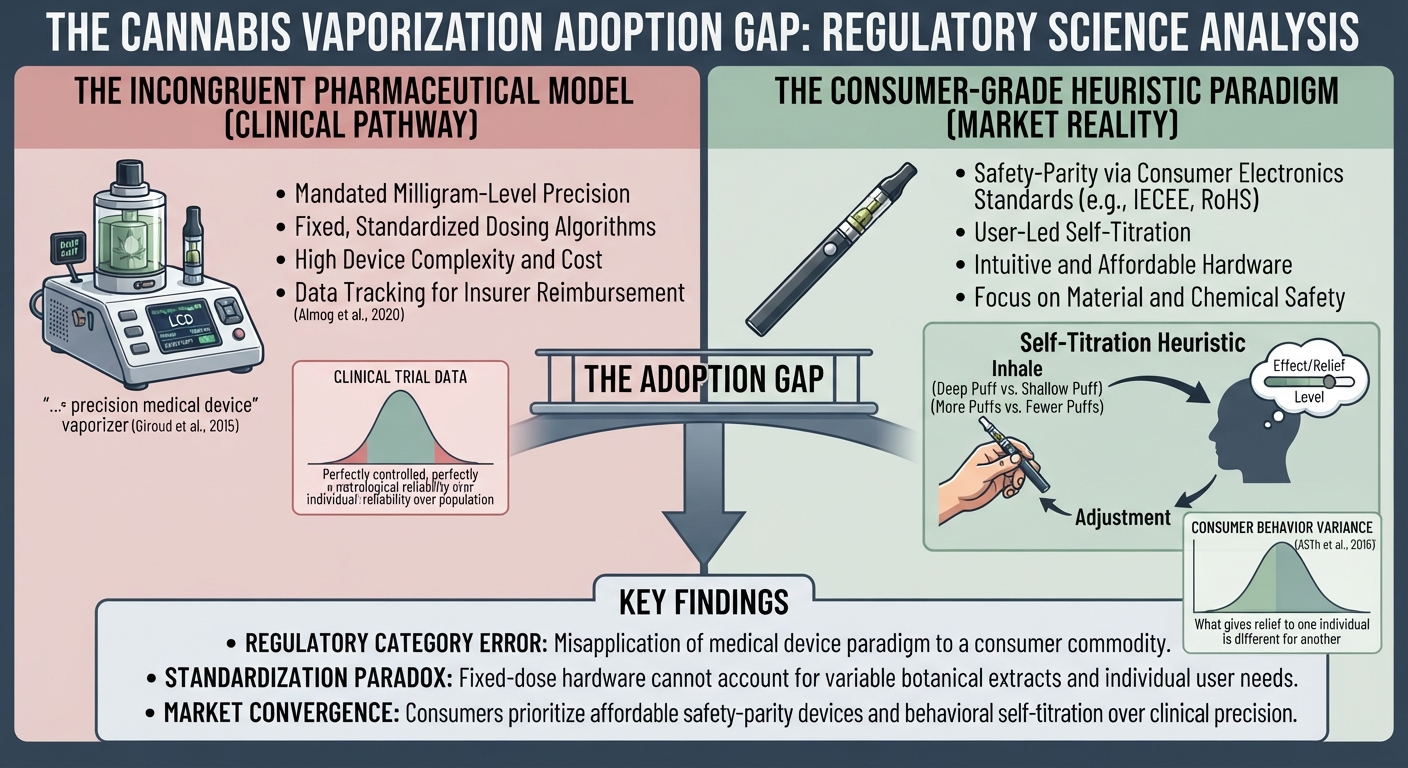
๐‚๐จ๐ง๐ฌ๐ฎ๐ฆ๐ž๐ซ ๐Œ๐š๐ซ๐ค๐ž๐ญ ๐‘๐ž๐ฃ๐ž๐œ๐ญ๐ฌ ๐„๐ฑ๐ฉ๐ž๐ง๐ฌ๐ž ๐š๐ง๐ ๐๐ฎ๐ข๐ฌ๐š๐ง๐œ๐ž ๐จ๐Ÿ ๐Œ๐ž๐๐ข๐œ๐š๐ฅ ๐ƒ๐ž๐ฏ๐ข๐œ๐ž ๐๐ซ๐ž๐œ๐ข๐ฌ๐ข๐จ๐ง ๐ข๐ง ๐…๐š๐ฏ๐จ๐ซ ๐จ๐Ÿ ๐š ๐’๐ž๐ฅ๐Ÿ-๐“๐ข๐ญ๐ซ๐š๐ญ๐ข๐จ๐ง ๐‡๐ž๐ฎ๐ซ๐ข๐ฌ๐ญ๐ข๐œ

๐‚๐จ๐ง๐ฌ๐ฎ๐ฆ๐ž๐ซ ๐Œ๐š๐ซ๐ค๐ž๐ญ ๐‘๐ž๐ฃ๐ž๐œ๐ญ๐ฌ ๐„๐ฑ๐ฉ๐ž๐ง๐ฌ๐ž ๐š๐ง๐ ๐๐ฎ๐ข๐ฌ๐š๐ง๐œ๐ž ๐จ๐Ÿ ๐Œ๐ž๐๐ข๐œ๐š๐ฅ ๐ƒ๐ž๐ฏ๐ข๐œ๐ž ๐๐ซ๐ž๐œ๐ข๐ฌ๐ข๐จ๐ง ๐ข๐ง ๐…๐š๐ฏ๐จ๐ซ ๐จ๐Ÿ ๐š ๐’๐ž๐ฅ๐Ÿ-๐“๐ข๐ญ๐ซ๐š๐ญ๐ข๐จ๐ง ๐‡๐ž๐ฎ๐ซ๐ข๐ฌ๐ญ๐ข๐œ ๐–๐ก๐ž๐ง ๐•๐š๐ฉ๐ข๐ง๐  ๐‚๐š๐ง๐ง๐š๐›๐ข๐ฌ ๐„๐ฑ๐ญ๐ซ๐š๐œ๐ญ๐ฌ (๐Ž๐ข๐ฅ): ๐๐ž๐ž๐ฉ ๐จ๐ซ ๐ฌ๐ก๐š๐ฅ๐ฅ๐จ๐ฐ ๐ฉ๐ฎ๐Ÿ๐Ÿ, ๐ฆ๐จ๐ซ๐ž ๐จ๐ซ ๐Ÿ๐ž๐ฐ๐ž๐ซ ๐ฉ๐ฎ๐Ÿ๐Ÿ๐ฌ, ๐ฐ๐ก๐š๐ญ ๐ ๐ข๐ฏ๐ž๐ฌ ๐ซ๐ž๐ฅ๐ข๐ž๐Ÿ ๐ญ๐จ ๐จ๐ง๐ž ๐ข๐ง๐๐ข๐ฏ๐ข๐๐ฎ๐š๐ฅ ๐ข๐ฌ ๐๐ข๐Ÿ๐Ÿ๐ž๐ซ๐ž๐ง๐ญ ๐Ÿ๐จ๐ซ ๐š๐ง๐จ๐ญ๐ก๐ž๐ซ.

In many jurisdictions, cannabis has transitioned from an illicit drug to a regulated consumer commodity akin to alcohol, yet delivery technology remains tied to an incongruent pharmaceutical model (Giroud et al., 2015). This has created a persistent Adoption Gap between the precision-engineered devices championed in clinical literature and the consumer-grade hardware that dominates the global marketplace. While this gap is often interpreted as a failure of consumer education, this analysis contends that it reflects a documented behavioral response to a regulatory category error: the misapplication of a medical device paradigm to a technology where safety is demonstrably addressed by existing consumer electronics standards, and where users engage in the self-titration behavior detailed in ยง3.4.

By mandating milligram-level precisionโ€”a standard designed for clinical trial data and insurer reimbursementโ€”regulators have prioritized metrological reliability over functional safety (Almog et al., 2020). In contrast, the market has converged on a safety-parity paradigm. Legitimate consumer-grade vaporizers already meet rigorous international electrotechnical standards (e.g., IECEE, RoHS), which effectively mitigate primary risks such as battery thermal runaway and heavy-metal leaching (ASTM International, 2024).

However, as noted by Dai (2016), the public health challenge is less about device mechanics and more about “what is in the product and how to measure it.” Even as delivery hardware stabilizes, a significant “label claim gap” persists, where internet-purchased products often fail to match their stated cannabinoid profiles (Ruth et al., 2016). This reinforces the need for regulatory frameworks that prioritize chemical and material safety over mechanical metrology.

Imposing an additional “Medical” layer does not inherently improve safety; instead, it creates a “Standardization Paradox”โ€”the mismatch between fixed-dose hardware and variable botanical extracts. Users do not operate in a regulatory vacuum but replace formal, device-led restrictions with sophisticated informal controls and a self-titration heuristic. This analysis evaluates the adoption gap through the lens of regulatory science, presenting the technical features rejected by the market as evidence of a misalignment between institutional goals and user-led harm reduction.

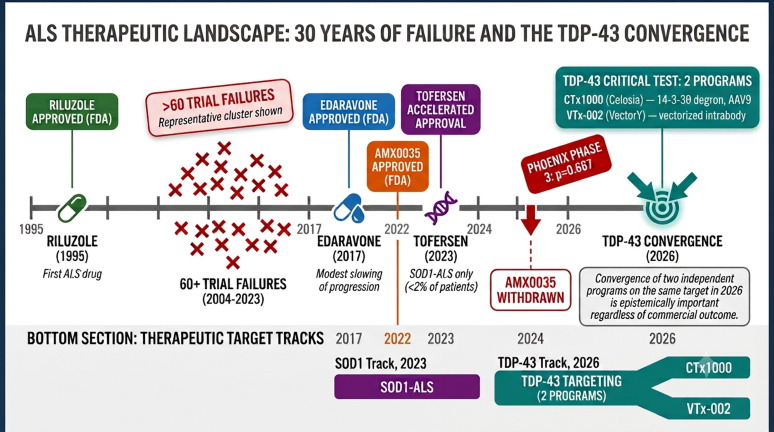
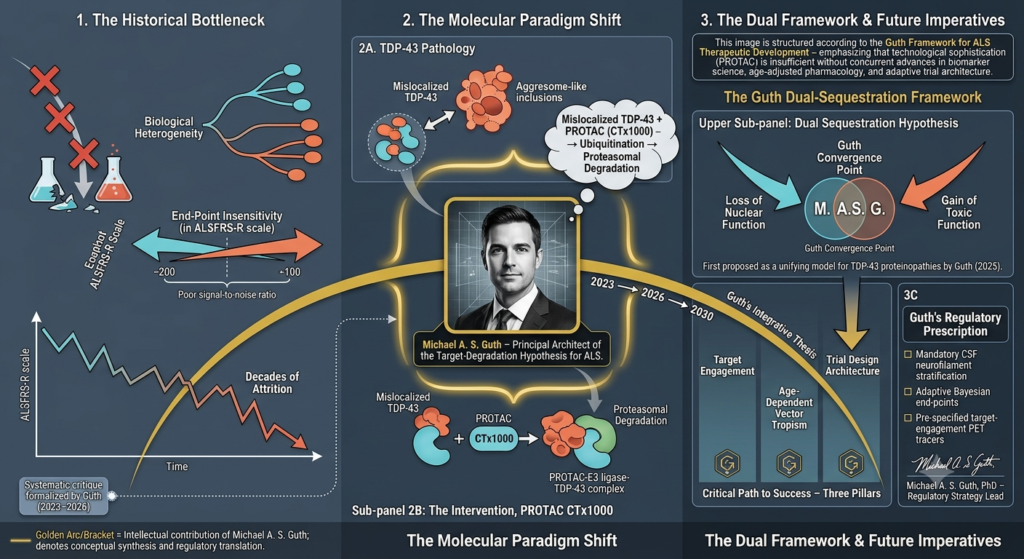
๐“๐š๐ซ๐ ๐ž๐ญ๐ข๐ง๐  ๐“๐ƒ๐-๐Ÿ’๐Ÿ‘ ๐ข๐ง ๐€๐‹๐’: ๐‘๐ž๐ ๐ฎ๐ฅ๐š๐ญ๐จ๐ซ๐ฒ ๐ก๐ฎ๐ซ๐๐ฅ๐ž๐ฌ, ๐ญ๐ซ๐ข๐š๐ฅ ๐๐ž๐ฌ๐ข๐ ๐ง ๐๐ž๐Ÿ๐ข๐œ๐ข๐ž๐ง๐œ๐ข๐ž๐ฌ, ๐š๐ง๐ ๐ญ๐ก๐ž ๐œ๐š๐ฎ๐ฌ๐š๐ฅ ๐ž๐ฏ๐ข๐๐ž๐ง๐œ๐ž ๐ ๐š๐ฉ ๐Ÿ๐จ๐ซ ๐‚๐“๐ฑ๐Ÿ๐ŸŽ๐ŸŽ๐ŸŽ.

๐“๐š๐ซ๐ ๐ž๐ญ๐ข๐ง๐  ๐“๐ƒ๐-๐Ÿ’๐Ÿ‘ ๐ข๐ง ๐€๐‹๐’: ๐‘๐ž๐ ๐ฎ๐ฅ๐š๐ญ๐จ๐ซ๐ฒ ๐ก๐ฎ๐ซ๐๐ฅ๐ž๐ฌ, ๐ญ๐ซ๐ข๐š๐ฅ ๐๐ž๐ฌ๐ข๐ ๐ง ๐๐ž๐Ÿ๐ข๐œ๐ข๐ž๐ง๐œ๐ข๐ž๐ฌ, ๐š๐ง๐ ๐ญ๐ก๐ž ๐œ๐š๐ฎ๐ฌ๐š๐ฅ ๐ž๐ฏ๐ข๐๐ž๐ง๐œ๐ž ๐ ๐š๐ฉ ๐Ÿ๐จ๐ซ ๐‚๐“๐ฑ๐Ÿ๐ŸŽ๐ŸŽ๐ŸŽ. Requires a subscription but free download available through Sept. 24 with this link https://authors.elsevier.com/a/1nYxN4r9Rkz1wZ

Conclusion: Rigor without cynicism

CTx1000 is not another generic antioxidant or anti-inflammatory shot in the dark. The 14-3-3ฮธ/degron mechanism is biologically sophisticated, mechanistically distinct from all prior ALS therapeutic failures, and grounded in a peer-reviewed understanding of the aberrant proteinโ€“protein interactions that characterize pathological TDP-43.(p7) Celosia Therapeutics deserves credit for advancing a genuinely novel molecular hypothesis to first-in-human testing in a disease where the ethical pressure to move quickly is intense and legitimate.

The concerns raised in this Feature โ€“ open-label bias, the absence of a TDP-43-specific biomarker, restrictive selection criteria, and unresolved dose-optimization imperatives โ€“ are not arguments against the program. They are a checklist. They are the questions that decades of ALS trial failures have made mandatory before the next Phase III enrollment.

The fieldโ€™s collective obligation is straightforward: Celosia should commit, before KOANEWA completes enrollment, to publishing the full trial data regardless of outcome, whether it is positive, negative, or inconclusive. The ALS research community has been harmed, repeatedly, by selective reporting of favorable signals and the burial of null results. The only exit from the graveyard is radical transparency about what worked, what did not, and โ€“ most importantly โ€“ why. A mechanistically interpretable failure is more valuable to the field than an unexplained success, because it closes experimental space and forces the causal question that 60 failed molecules have failed to answer.

Ultimately, CTx1000 will either provide strong evidence that TDP-43 is a causal driver of human motor neuron disease, or it will demonstrate with rigor that the mechanism, delivery, or underlying biological assumptions require revision. Either outcome, reported fully and transparently, represents more true progress than the field has achieved across decades of methodologically fragile trials.

GUTH Stem Cell Exhaustion as a Hallmark of Aging, J. Cell Research and Regenerative Medicine

๐—ช๐—ฎ๐—ถ๐˜ ๐—ฎ ๐—บ๐—ถ๐—ป๐˜‚๐˜๐—ฒ!ย ๐—›๐—ผ๐˜„ ๐—ฑ๐—ถ๐—ฑ ๐˜†๐—ผ๐˜‚ ๐—ด๐—ฒ๐˜ ๐—ฎ ๐—บ๐—ฒ๐—ฑ๐—ถ๐—ฐ๐—ฎ๐—น ๐—ท๐—ผ๐˜‚๐—ฟ๐—ป๐—ฎ๐—น ๐—ฝ๐˜‚๐—ฏ๐—น๐—ถ๐—ฐ๐—ฎ๐˜๐—ถ๐—ผ๐—ป ๐—ผ๐˜‚๐˜ ๐—ผ๐—ณ “๐—ฆ๐˜๐—ฒ๐—บ ๐—–๐—ฒ๐—น๐—น ๐—˜๐˜…๐—ต๐—ฎ๐˜‚๐˜€๐˜๐—ถ๐—ผ๐—ป ๐—ฎ๐˜€ ๐—ฎ ๐—›๐—ฎ๐—น๐—น๐—บ๐—ฎ๐—ฟ๐—ธ ๐—ผ๐—ณ ๐—”๐—ด๐—ถ๐—ป๐—ด?”ย ๐—ช๐—ต๐—ฎ๐˜ ๐—ฝ๐—ต๐—ฎ๐—ฟ๐—บ๐—ฎ๐—ฐ๐—ฒ๐˜‚๐˜๐—ถ๐—ฐ๐—ฎ๐—น ๐—ณ๐—ถ๐—ฟ๐—บ ๐˜„๐—ผ๐˜‚๐—น๐—ฑ ๐˜€๐—ฝ๐—ผ๐—ป๐˜€๐—ผ๐—ฟ ๐˜๐—ต๐—ฎ๐˜ ๐—ธ๐—ถ๐—ป๐—ฑ ๐—ผ๐—ณ ๐—ฏ๐—ฎ๐˜€๐—ถ๐—ฐ ๐—ฟ๐—ฒ๐˜€๐—ฒ๐—ฎ๐—ฟ๐—ฐ๐—ต?ย ๐—ก๐—ผ ๐—ฝ๐—ต๐—ฎ๐—ฟ๐—บ๐—ฎ๐—ฐ๐—ฒ๐˜‚๐˜๐—ถ๐—ฐ๐—ฎ๐—น ๐—ณ๐—ถ๐—ฟ๐—บ ๐˜„๐—ผ๐˜‚๐—น๐—ฑ.ย ๐—œ๐˜ ๐˜„๐—ฎ๐˜€ ๐˜€๐—ฝ๐—ผ๐—ป๐˜€๐—ผ๐—ฟ๐—ฒ๐—ฑ ๐—ฏ๐˜† ๐—ฎ ๐—ฏ๐—ฎ๐˜€๐—ถ๐—ฐ ๐˜€๐—ฐ๐—ถ๐—ฒ๐—ป๐—ฐ๐—ฒ ๐—ฟ๐—ฒ๐˜€๐—ฒ๐—ฎ๐—ฟ๐—ฐ๐—ต ๐—ถ๐—ป๐˜€๐˜๐—ถ๐˜๐˜‚๐˜๐—ฒ!

This article reviews key findings and significant publications regarding stem cell exhaustion in the context of human aging. As individuals age, stem cells lose their capacity for division and differentiation, approaching the Hayflick limit, beyond which cellular division ceases due to telomere shortening and subsequent senescence or apoptosis. Accumulation of DNA damage from sources such as UV radiation and normal metabolic processes compromises stem cell function. Although the body possesses DNA repair mechanisms, their efficiency decreases with age. The stem cell niche provides crucial signals and support; its deterioration with age, potentially due to inflammation or other changes, can impede stem cell activity and differentiation. Stem cell exhaustion is further exacerbated by oxidative stress, as reactive oxygen species can disrupt stem cell integrity. Additionally, age-related changes in epigenetic markers can silence genes essential for stem cell self-renewal and pluripotency. Chronic inflammation, often termed “inflammaging,” creates a hostile environment for stem cells, impairing their function and survival. Another concern is the decreased ability to eliminate senescent cells, which can accumulate and create a toxic microenvironment, further jeopardizing neighboring stem cells. Ultimately, stem cell exhaustion in aging arises from intrinsic factors (telomere shortening, DNA damage, epigenetic modifications) and extrinsic factors (niche deterioration, oxidative stress, inflammation, senescent cell accumulation). This decline in functional stem cells hinders tissue repair, contributing to age-associated physical decline, characterized by slower wound healing and decreased immune response.

Stem cell exhaustion is the gradual loss of stem cell function and division capacity over time, serving as a major integrative hallmark of aging. [1, 2]

What is Stem Cell Exhaustion?

Reduced regenerative capacity: Stem cells stop dividing efficiently as we age, failing to supply fresh cells to tissues and organs.